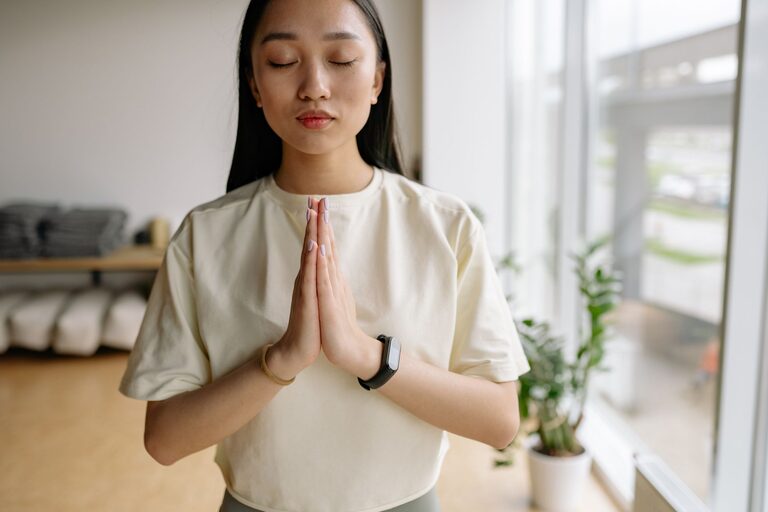
Busy days can make it easy to move from one task to the next without pausing. A mindful breathing break offers a simple way to slow down, notice the present moment, and return to your next activity with more intention.
You do not need special equipment, a quiet retreat, or a large amount of free time. A breathing break can take one minute at your desk, in your car before leaving, or while waiting for water to boil. The goal is not to force your mind to become completely empty. Instead, it is to notice your breathing and gently bring your attention back when it wanders.
What Is a Mindful Breathing Break?
A mindful breathing break is a short pause during which you pay attention to the natural rhythm of your breath. You may notice the air moving through your nose, the rise and fall of your chest, or the movement of your stomach.
Unlike a breathing exercise that uses a specific pattern, mindful breathing often begins with simply observing. You do not need to change your breathing right away. By noticing what is happening without judging it, you create a small space between one activity and the next.
A break can last anywhere from a few breaths to several minutes. Even a short pause can become a useful reminder to check in with yourself.
Start With a Small, Realistic Goal
Beginners often make the mistake of setting a goal that is too ambitious. Planning to practice for 20 minutes every morning may sound helpful, but it can be difficult to maintain when your schedule changes.
Start with a goal that feels easy to repeat:
– Take three mindful breaths before opening email.
– Pause for one minute after lunch.
– Practice while waiting for a meeting to begin.
– Take five slow breaths before starting a new task.
– Set aside two minutes at the end of the workday.
A small practice is still a practice. Consistency matters more than duration, especially when you are building a new habit.
Choose a Simple Posture
You can practice mindful breathing almost anywhere. Choose a position that helps you stay comfortable and reasonably alert.
If you are sitting, place both feet on the floor if that feels natural. Let your shoulders rest, and allow your hands to sit loosely in your lap or on a desk. You can keep your back supported rather than trying to sit in a formal pose.
If you are standing, let your knees remain relaxed and allow your arms to hang comfortably. You can also practice while walking slowly, paying attention to the connection between your steps and your breathing.
There is no perfect posture. The most useful position is one that allows you to breathe comfortably without unnecessary strain.
Use the Breath as an Anchor
An anchor is a simple point of focus that helps you return to the present moment. The breath is a convenient anchor because it is always available.
Try this basic practice:
- Pause and notice that you are about to take a break.
- Feel your feet on the floor or your body supported by a chair.
- Notice one natural inhale and exhale.
- Pay attention to where the breath is easiest to feel.
- Continue observing for three to ten breaths.
- When your attention wanders, gently return to the next breath.
Your mind will probably wander. You may think about a message, a task, or something that happened earlier. This is normal. Each time you notice that your attention has drifted and return to the breath, you are practicing mindfulness.
Let Your Breathing Stay Natural
There is no need to make every breath deep or slow. Some people find that trying to control their breathing creates extra effort. For a beginner, it may be more comfortable to observe the breath as it is.
You can silently note simple details:
– Is the inhale short or long?
– Is the exhale soft or strong?
– Can you feel movement in your chest or stomach?
– Does the breath change when you relax your shoulders?
– Is there a brief pause between breaths?
Think of yourself as a curious observer rather than a coach giving instructions. You are not trying to achieve a particular result. You are simply noticing.
Try a Gentle Counting Method
If focusing on the breath feels difficult, counting can give your attention a clear structure. On each exhale, count quietly from one to five. Then begin again at one.
For example:
– Inhale naturally.
– Exhale and count one.
– Inhale naturally.
– Exhale and count two.
– Continue until five, then start over.
If you lose count, return to one without criticism. The counting is not a test. It is a helpful tool for giving your mind one simple task.
You can also count three breaths instead of using a longer sequence. Choose the method that feels easiest to repeat during your day.
Connect Breaks to Daily Routines
A regular cue can make mindful breathing easier to remember. Attach your break to something you already do, such as:
– Turning on your computer
– Making a cup of coffee or tea
– Washing your hands
– Entering a meeting
– Finishing a phone call
– Getting into your car
– Closing your laptop
This approach is often more reliable than waiting until you feel calm or remember to practice. The existing routine acts as a reminder.
You can also use visual cues. Place a small note near your monitor, set a gentle calendar reminder, or use a symbol on your desk that prompts you to pause.
Practice Without Judging the Experience
Some breathing breaks may feel calm and refreshing. Others may feel rushed, distracting, or uncomfortable. Both experiences are part of learning.
Mindfulness is not about doing the practice perfectly. It is about noticing what is happening with a little more patience. If you feel distracted, acknowledge it and return to the breath. If you feel restless, notice that feeling without needing to fix it immediately.
Avoid turning the break into another task to complete perfectly. A brief, imperfect pause can still help create a moment of awareness in a busy day.
Make the Transition Back to Your Task
A breathing break is most useful when it includes a clear return. At the end of your pause, notice your surroundings and decide what you will do next.
You might ask:
– What is the next small step?
– What deserves my attention first?
– Can I begin without rushing?
Open your eyes if they were closed, move your hands or feet, and take a moment to reconnect with the room. Then begin your next activity at a comfortable pace.
This closing step helps separate the pause from the task that follows and makes the practice feel complete.
Common Beginner Challenges
“I do not have enough time.”
Start with one breath. A short pause can fit into a busy schedule, and a one-minute practice may be easier to maintain than a longer session.
“My mind will not stay focused.”
A wandering mind is expected. The practice is the return, not the absence of distraction. Notice the thought, then gently come back.
“I feel awkward practicing at work.”
Keep it subtle. You can continue looking at your screen, relax your shoulders, and follow a few natural breaths without making a formal display of the practice.
“I keep forgetting.”
Use a routine cue, alarm, or visible reminder. It may take time before the practice becomes automatic.
Build a Practice That Fits Your Life
Mindful breathing breaks work best when they are simple, flexible, and easy to repeat. Start with a few natural breaths, choose one or two daily cues, and adjust the practice as needed.
The purpose is not to escape your day or create a perfect state of calm. It is to make room for a brief moment of attention before moving forward. With regular practice, these small pauses can become a practical way to notice your pace, reset your focus, and approach everyday activities more deliberately.